The Future of App Distribution: Embracing OTA Installations
By Zakir Umair · · 5 min read
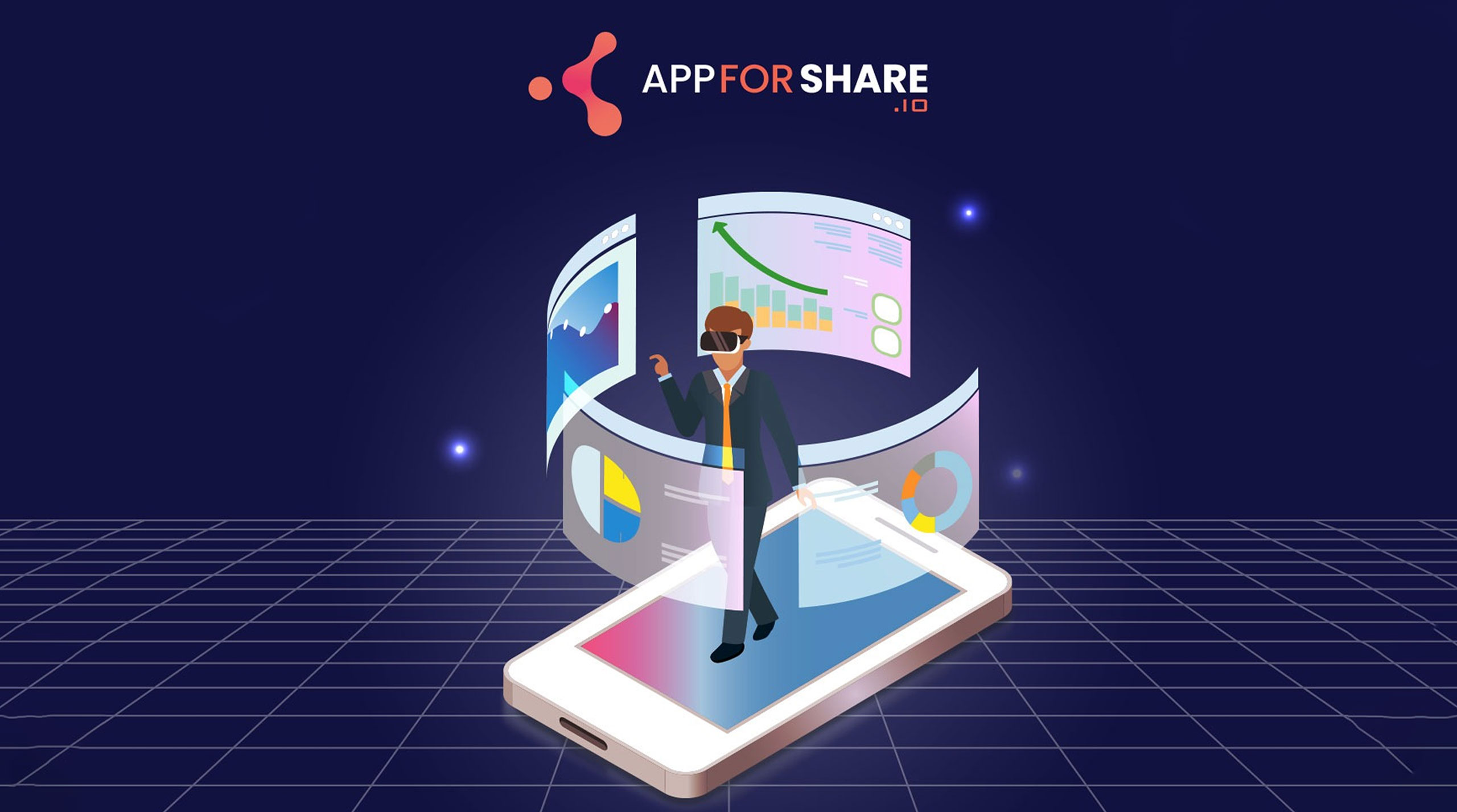
Over the air (OTA) installation means a tester opens a link on the phone and the app installs straight from the web, with no cable, no computer and no app store listing. It is now the standard way to get test builds onto real iPhones and Android phones, while the App Store and Google Play remain the way to reach the public. This post explains how OTA works on each platform, where it fits, where it does not, and what is changing.
How app distribution got here
Software used to arrive on physical media, then as downloads from a vendor website. On phones, the app stores became the default: one trusted place for users, and one review process, fee structure and set of guidelines for developers. That model works well for public releases. It works less well during development, when a team wants a build on a tester's phone within minutes, not after a review.
OTA installation fills that gap. It does not replace the stores. It gives developers a fast, direct path to a known group of people before a release.
What is an OTA installation?
An OTA installation downloads an app package from a web server and installs it on the device without going through a store. The details differ by platform.
iOS
- The build is an
.ipafile. iOS installs it from a link that points to a small manifest file (a property list with the bundle ID, version and the HTTPS address of the.ipa). The link uses theitms-services://scheme and must be served over HTTPS. - iOS only installs the app if it is signed correctly for that device: Ad Hoc or Development builds must include the device UDID in their provisioning profile, and Enterprise builds can install on any device of the organization's employees.
- App Store and TestFlight builds cannot be installed from a link. They only install through the App Store or the TestFlight app.
Android
- The build is an
.apkfile. The tester downloads it in the browser and taps to install. - The first time, Android asks the tester to allow installs from that browser ("Install unknown apps"). After that, installing new builds is one tap. See how to enable unknown sources on Android.
- An Android App Bundle (
.aab) is a publishing format for Google Play and cannot be installed directly on a phone. Testers need an.apk.
Why developers use OTA for testing
Speed
There is no store review for a test build. You upload it, share the link, and a tester can install it a minute later. That shortens the loop between a fix and a confirmation that the fix works on a real device.
Real devices
Simulators and emulators are useful, but some problems only appear on hardware: camera, push notifications, performance on older phones, a specific OS version. OTA puts the actual build on the actual phones your testers carry.
Simple for testers
Testers do not need Xcode, Android Studio or a developer account. They open a link or scan a QR code. For iOS Ad Hoc builds, their device UDID must be in the provisioning profile first, which is a one-time step.
Control over who gets the build
A test build goes to the people you send the link to. You can add a password, and on iOS the signing itself limits which devices can run it.
Limits and concerns to plan for
- It is not public distribution. OTA is for testers, clients and internal users. Reaching the general public still means the App Store and Google Play, with their review processes.
- iOS signing rules. Ad Hoc builds run only on registered devices, and Apple limits how many devices you can register each membership year. Enterprise signing is only for distributing to an organization's own employees.
- Trust. Testers are installing from a link, so they should only install builds from people they know. Share links privately and use a password for anything sensitive.
- Link hygiene. Old builds should stop being installable at some point so testers do not keep testing outdated versions.
How AppForShare handles OTA installs
AppForShare is built for exactly this step. You upload an Android .apk or an iOS .ipa, and you get an install link and a QR code. Testers open it on the phone and install over the air.
- Every upload becomes a new build with its own link. Older builds keep their own links while they are live.
- Links and downloads are served over HTTPS, and the download links are signed and short lived.
- Free accounts can password protect a build and use the free UDID finder to collect iPhone UDIDs.
- Pro adds release notes, CI uploads from a CLI, GitHub Action or Fastlane (see the CI docs), webhooks and install analytics. Team adds tester management, private projects and a custom domain for install links.
AppForShare does not sign or re-sign builds, and it is not an app store or a crash reporter. For iOS, upload a build that is already signed Ad Hoc, Development or Enterprise. Link lifetime depends on the plan: 3 days without an account, 7 days on Free, and for as long as you are subscribed on Pro and Team. See pricing for the full limits.
What is changing
Distribution outside the main stores is getting more options and more rules at the same time. In the European Union, Apple allows alternative app marketplaces under the Digital Markets Act, with its own requirements such as notarization. On Android, Google has announced developer verification requirements for apps installed outside Google Play on certified devices, rolling out in phases. If you distribute to end users outside the stores, check Apple's and Google's current developer documentation, because these rules are still evolving.
For testing, the core pattern is stable: build, sign correctly, upload, share a link, install on real devices, repeat. Teams that make that loop short ship fewer surprises.
Frequently asked questions
What is an OTA app installation?
It is installing an app directly from a web link on the phone, without a cable, a computer or an app store. On iOS the link points to a manifest that tells the device where to download the .ipa. On Android the tester downloads and installs an .apk.
Can any iPhone install an app from a link?
Only if the build is signed for it. Ad Hoc and Development builds must include the device UDID in the provisioning profile, and Enterprise builds are for an organization's own employees. App Store and TestFlight builds cannot be installed from a link.
Do testers need a developer account to install over the air?
No. Testers only need the link or QR code. On iOS Ad Hoc builds, the developer must first register the tester's device UDID and rebuild, which the free AppForShare UDID finder helps with.
Does AppForShare replace the App Store or Google Play?
No. AppForShare shares test builds with testers, clients and internal users. Public releases still go through the App Store and Google Play.
How long does an AppForShare install link stay live?
Guest uploads without an account stay live for 3 days, Free account links for 7 days, and Pro and Team links for as long as the plan is active.