Decoding the Origins of Black Friday and Cyber Monday
By Nimrah Bilal · · 3 min read
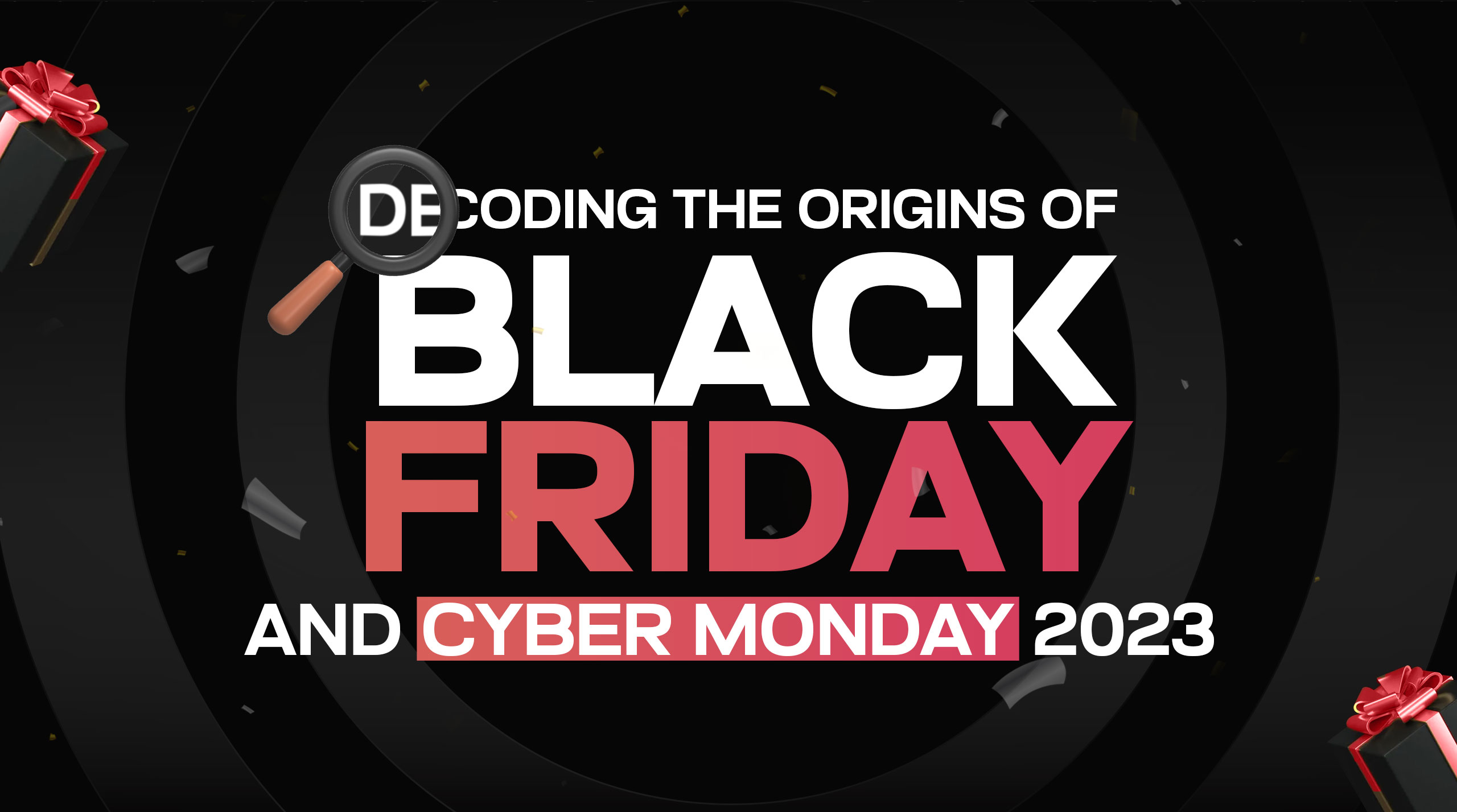
Black Friday is the day after Thanksgiving in the United States, and the name comes from Philadelphia police in the 1950s and 1960s, who used it for the crowded, chaotic shopping day before the Army-Navy football game. Cyber Monday is much newer: the term was coined in 2005 by Shop.org, part of the National Retail Federation, for the Monday after Thanksgiving when online sales jumped.
This post looks at how both days started, how they changed, and what they mean for teams that build and test apps. A note up front: AppForShare does not run Black Friday or Cyber Monday discounts. Current plans and prices are always on the pricing page.
Black Friday: a tradition rooted in Philadelphia

In Philadelphia, the Friday after Thanksgiving brought huge crowds into the city: holiday shoppers, plus visitors arriving for the Army-Navy game held that weekend. Police officers who had to work long shifts in the traffic and crowds called it "Black Friday", and the name was not meant kindly.
Retailers later gave the name a more positive story, saying it was the day stores moved from loss ("in the red") to profit ("in the black"). By the 1980s and 1990s the term was used across the United States, and the day became the unofficial start of the holiday shopping season, known for early opening hours and doorbuster deals.
Cyber Monday: the online counterpart
By the mid-2000s, online retailers noticed that many people shopped on the Monday after the holiday weekend, often from work computers with faster internet than they had at home. In 2005 Shop.org gave the day a name, Cyber Monday, and retailers began building online promotions around it.
Since then the line between the two days has blurred. Many sales now start before Thanksgiving and run through the following week, both in stores and online, and the events have spread well beyond the United States.
What these days mean for app teams

For anyone who runs a shopping, payments or delivery app, the last week of November is a peak traffic period. It is also the worst time to discover a bug. Practical steps that help:
- Freeze features early. Ship new features weeks before the sale, not days.
- Test promotional flows on real devices. Coupon codes, countdown timers, cart totals and checkout under load are common failure points.
- Check time zones and dates. Sales that start "at midnight" need to start at the right midnight for each market.
- Test on slow networks. Busy stores and crowded events mean weak mobile signal. See our guide to offline mode testing.
- Have a quick path for hotfix builds. When a fix is ready, testers need it on their phones in minutes.
AppForShare covers that last point. Upload an Android .apk or an iOS .ipa, get an install link and QR code, and testers install the build over the air with no app store review. On Pro and Team, builds can be uploaded straight from CI with release notes, and webhooks can post new builds to Slack or Discord.
Conclusion
Black Friday began as a police term for a difficult day in Philadelphia and became the start of the holiday shopping season. Cyber Monday was named in 2005 as online shopping grew. For app teams, both days are a reason to test early and keep a fast route for fixes. AppForShare does not offer seasonal discounts. Its plans, including the Free plan, are listed on the pricing page.
Frequently asked questions
Where does the name Black Friday come from?
Philadelphia police used the term in the 1950s and 1960s for the crowded day after Thanksgiving, when holiday shoppers and visitors for the Army-Navy game filled the city. Retailers later linked it to stores moving into profit.
When was Cyber Monday first used?
The term Cyber Monday was coined in 2005 by Shop.org, part of the National Retail Federation, to describe the Monday after Thanksgiving when online sales rose.
Does AppForShare offer Black Friday or Cyber Monday discounts?
No. AppForShare does not run seasonal deals or coupons. The current Free, Pro and Team plans and prices are listed on the pricing page.